WHAT IS THE DIFFERENCE BETWEEN FIRST AID AND FIRST RESPONSE?
By Jill Robertson - December 2025
Discover the key differences between first aid and first response. Learn what each involves, who performs them and what qualifications are available.
When an emergency happens, you may hear the terms first aid and first response used
interchangeably. While both are crucial for saving lives, they serve different purposes and require
different levels of training. This guide explains what first aid is, what first response is and the main
differences between the two, helping you understand who does what in urgent medical situations.
What Is First Aid?
First aid is the initial, immediate care provided to someone who is injured or suddenly ill. The goal is to stabilise the person and prevent the condition from worsening before professional medical help arrives.
Common First Aid Skills:
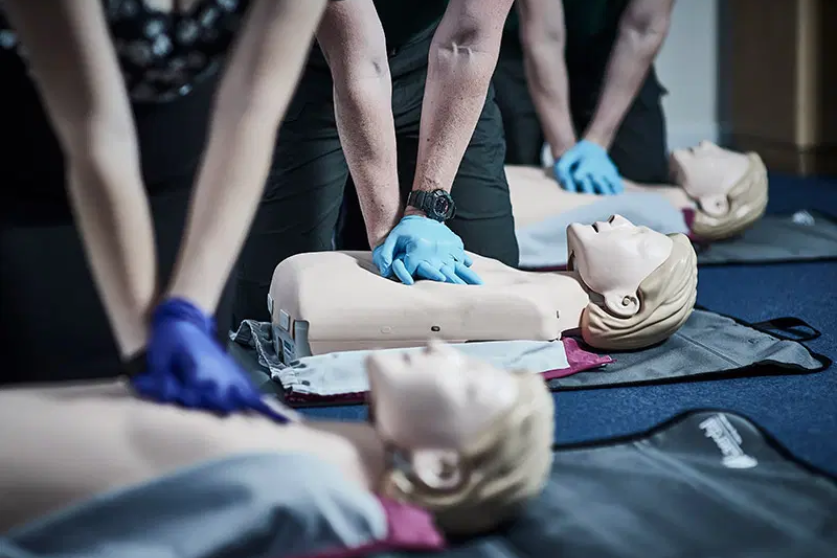
- CPR and AED use
- Treating minor cuts, burns and sprains
- Assisting someone who is choking
- Cleaning and dressing wounds
- Managing shock
- Basic bandaging and splinting
Who provides first aid?
Anyone with basic training. This could include teachers, parents, co-workers, community members and volunteers.
What is the primary purpose of first aid?
To provide quick, essential care and maintain safety while waiting for emergency responders.
What first aid courses are available?
There are many different first aid training course ranging from 1-3 days duration. They can be taught using a combination of online e-learning and in-person classroom sessions. First Aid courses can be delivered to cover infant, child and adult emergency care. Some of the courses available include:
- Emergency First Aid at Work (EFAW) – 1 day course covering the fundamental aspects of first aid treatment.
- First Aid at Work (FAW) – 2 to 3 day course providing deeper knowledge and skills for the initial treatment of casualties.
- Paediatric First Aid – 1 to 2 day course depending on the level of training required. These courses educate specifically about first aid in relation to babies (infants) and children.
What Is First Response?
First response (or first responder care) involves a more advanced level of emergency medical
assistance. First responders are trained professionals equipped to assess, treat and stabilise
casualties during serious or life-threatening situations.
Typical First Response Skills in addition to first aid:
- Advanced casualty assessment
- Oxygen administration
- Controlling severe bleeding
- Spinal and trauma stabilisation
- Using professional medical equipment
- Preparing patients for transport
Who can be a first responder?
Anyone with advanced training. This could include; EMT”s, Paramedics, Police, Fire Service, Close
Protection and Security Operatives, cabin crew, event medics and community first responders.
What is the primary purpose of first response?
To deliver advanced on-scene care and begin the official emergency medical chain.
What first response courses are available?
There are various courses available and different pathways you can take to achieving a first
responder qualification. The majority of courses take place over 5 days with mandatory pre-course reading / learning taking place. There are many practical elements to these courses meaning that skills-based scenario training forms a crucial part of your learning. Some of the courses available include:
- First Response Emergency Care (FREC) – Offered from Levels 3-6, this course provides pre-hospital emergency knowledge and skills. FREC framework is designed to support those wishing to purse careers such as a Paramedic or EMT’s.
- Emergency Care for First Responders (ECFR) – This course is similar to FREC but is not a career pathway for those wishing to enter the medical profession. ECFR covers almost exactly the same knowledge and skills content, however is aimed more at non-medical professions such as security operatives or those undertaking high-risk roles.
Why Understanding the Difference Matters
Knowing the difference between first aid and first response helps you understand what kind of help you can provide and what help to expect in an emergency. Understanding what level of training you require will make it easier to chose the training course that is right for you.
- First aid saves crucial minutes before responders arrive.
- First response begins professional medical care that often leads to hospital treatment.
Which Should You Learn?
Ideally, everyone should learn basic first aid and CPR as these skills can make a life-saving
difference in everyday situations.
Those working in high-risk environments such as security, construction, outdoor recreation or
healthcare services will benefit from first responder training for a deeper level of emergency
readiness.