
BEYOND THE BLACK SUIT: THE OPERATIONAL ART OF ATTIRE IN CLOSE PROTECTION
By Nick Player - November 2025
The image of the Close Protection Officer (CPO) is often defined by a rigid uniform: the black suit, the dark glasses, the intimidating presence. But for modern, professional operators, this stereotype is a liability, not an asset.
Your clothing is a critical operational tool, designed for discretion, adaptability, and mobility. The goal is not to look tough; the goal is to be easily forgettable. This is the art of becoming the "Grey Man."
Here is how elite CPOs master their wardrobe and operational attire.
The Operational Mindset: Be the "Grey Man"
The primary function of CPO attire is camouflage. You must appear to belong exactly where you are, drawing no undue attention to yourself or your Principal.
- Blending is Protection: A highly visible security presence can attract scrutiny, unwanted media attention, and potentially signal operational vulnerabilities to a hostile observer.
- The Power of Easy Forgetting: The "Grey Man" is someone who, five minutes after passing them, you struggle to recall. They wear appropriate but non-descript clothing that matches the location and demographic.
- Avoid the Uniform Trap: Unless you are operating in a specific high-risk, high-profile capacity where your security presence is meant to be overt, avoid anything that screams "bodyguard." This includes over-sized sunglasses indoors, overtly tactical branding, or the cliché head-to-toe black suit outside of a formal event.
Dressing for the Occasion, Not Overdressing the Principal
Your Principal’s attire and schedule dictate your wardrobe. You are a professional supporting actor, never the lead.
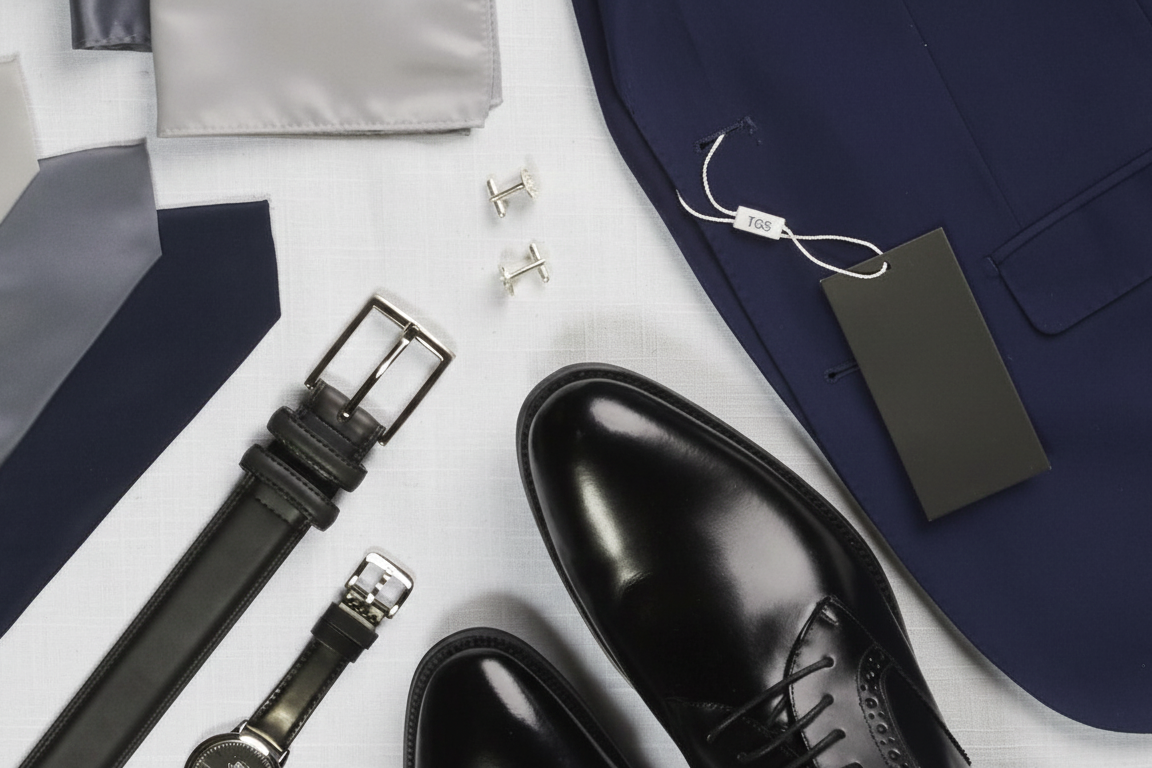
- Context is King: A CEO’s business meeting requires a well-cut navy or charcoal suit. A family holiday to a European city requires high-quality, smart-casual clothing like chinos, subtle polo shirts, or a neutral sport coat.
- The Rule of Subtlety: As a CPO, you should always aim to be the second-best dressed person in the Principal’s immediate party. Your clothes must be impeccable, but never flashier or more eye-catching than those of the Principal. Drawing focus to yourself is drawing focus to the security detail.
Practicality: What Works and What Doesn't
Professional CPOs must ensure their attire facilitates, not hinders, their ability to react in a dynamic environment.
What is Practical?
- Movement-Enabling Fit: Clothes should be tailored enough to look sharp but offer full range of motion. You must be able to run, twist, and grapple without constraint.
- Operational Layering: A light jacket, blazer, or sport coat is essential as it conceals equipment, aids in environmental adaptability, and instantly elevates a casual look.
- Duty Footwear: Choose shoes that are durable, quiet, and offer high-performance grip. Opt for comfortable hybrid styles that bridge the gap between formal wear and tactical utility.
- Quality Materials: Clothes should be able to handle daily rigours and be resistant to wrinkles and staining, allowing you to maintain a polished look over long shifts.
What is Not Practical?
- Ill-Fitting Garments: Baggy clothing can snag and hinder movement; clothing that is too tight can restrict the ability to draw equipment and tear under stress.
- Excessive Branding: Logos, bright colours, or prominent patterns draw the eye and defeat the purpose of being the "Grey Man."
- Formal-Only Shoes: Highly polished, thin-soled leather shoes are dangerous in a situation requiring rapid movement or a sprint across uneven terrain.
- Inappropriate Watch/Jewellery: Large, ostentatious, or distracting accessories can get caught or broken during a physical intervention.
Always Ready: The Close Protection "Go Bag"
A sign of a truly prepared CPO is the ability to adapt instantly to a Principal’s last-minute change of schedule or travel plans. This requires a discreet, pre-packed "go bag" (often a durable backpack or holdall) that travels with you.
Your bag should include:
- A Full Change of Clothing: Including underwear, socks, and a belt.
- Layering Options: A wrinkle-resistant sport coat or tactical fleece/jacket in a neutral colour.
- Context Specific Attire: A tie/dress shirt for a sudden formal meeting, or a rugged pair of pants/shoes for an unexpected site visit.
- Comfortable Footwear: Backup shoes that can handle different terrain types.
- Essential Toiletries and Medical Supplies: Items to keep you functioning and professional through a long day or overnight deployment.
Mastering your appearance is mastering your operational environment. By focusing on practicality, discretion, and blending in, you move beyond the caricature and embody the true professionalism of elite close protection.